

Monopoly: One Over the Many
Across the mid-Atlantic, families are opening their power bills and feeling the squeeze. What used to be a monthly frustration is becoming a real threat to household budgets. In many PJM states, electricity costs now rank among the highest in the nation and there’s no sign of relief.
Now, as prices climb, monopoly utilities are moving fast. Across the country, their executives are pressing lawmakers state by state for a new advantage: control over power generation itself. They claim it’s the solution to rising costs and supply challenges. But what they’re really asking for is something much simpler, a guaranteed business model where profits are protected and risks are passed on to the people who pay the bills.
Letting utilities back into generation won’t make new power plants appear faster or cheaper. Every project still faces the same permits, approvals, and construction timelines. The real difference isn’t speed. It’s who carries the risk.
In a competitive market, investors pay when projects fall behind or go over budget. Under monopoly control, families and small businesses are locked into paying for those mistakes for decades.
Utilities already have the option to compete by building power through market-based affiliates. They’ve largely chosen not to because competition means taking on financial risk instead of shifting it onto captive customers.
Now they’re asking lawmakers for a shortcut: a state-sanctioned monopoly that guarantees returns for shareholders while shielding them from financial consequences.
This is a defining moment.
Lawmakers can protect a system that puts pressure on companies to earn business, control costs, and deliver reliable power — or they can hand over the keys to a model that limits choice, weakens accountability, and drives bills even higher.
Maryland and the mid-Atlantic deserve competition that works for families. Not monopolies that work for themselves.
Impact and Stats
-

Exelon wants to build a power plant in Maryland, reversing decades of deregulation policy
As customers struggle with high energy costs, we at Exelon share their frustrations. We’ve addressed these challenges with short-term solutions, like our $50 million Customer Relief Fund, but we’re looking to produce long-term results that will help increase energy supply and lower energy costs for our customers.
That’s why we’re advocating for policies that allow utilities like ours, including Baltimore Gas and Electric, to enter the generation space. Our push to build and operate a power plant in Maryland is just the first step in our efforts to boost energy availability and affordability across our service areas.
Affordability is a core part of how and where we invest, and a new supply of reliable, affordable energy is urgently needed to unlock key savings and ensure our communities are able to thrive. It’s time that we create modern policies for the modern world. -
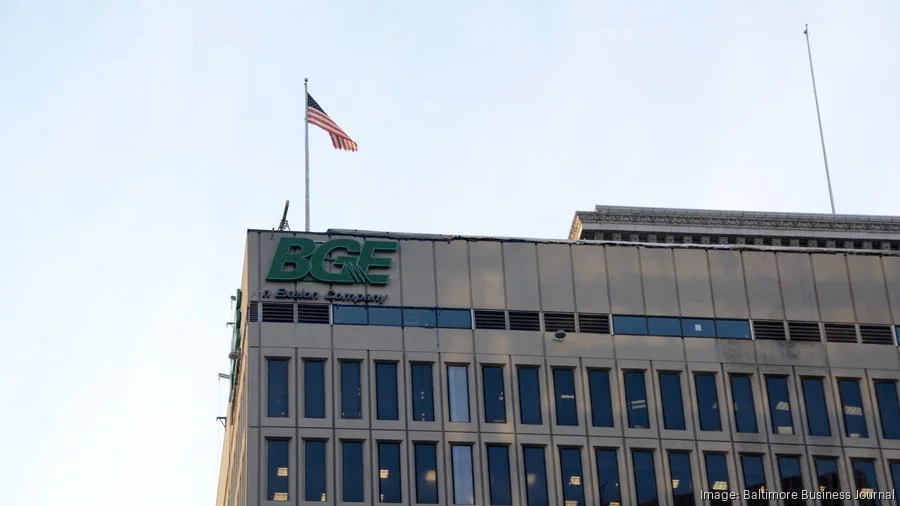
BGE's new CEO wants company to start making its own power
Olivier wants BGE to help Maryland produce the energy that it needs. Gov. Wes Moore last year signed the Next Generation Energy Act into law, part of which allows the state to fast-track some new production facilities. Olivier wants BGE to be part of the solution and help the state figure out its energy problem.
Olivier said BGE wants to get involved because other companies haven’t stepped up to build these sites in the past. Olivier said she would be happy to bow out of the race if other energy companies committed to building the energy facilities Maryland needs.
“If the other generators show up, we are golden. If they can fill this power gap, let's go,” Olivier said. “But if they’re not going to show up, we have to have an answer, and we need to start working on that answer now.”
-

Utility CEO on the data center crunch: America’s ‘check engine light’ is on and ‘no one’s going to pay attention until it breaks down’
Butler argued independent power producers currently lack the financial motivation to construct new power plants. “The independent power producers have no incentive to build anything new because they’re maximizing their assets,” he explained, allowing that this is a fair thing to do under current market conditions. But because producers are squeezing maximum revenue from existing infrastructure rather than expanding capacity, the risk of a shortfall is growing, on the one hand, and price hikes are also inevitable.
-
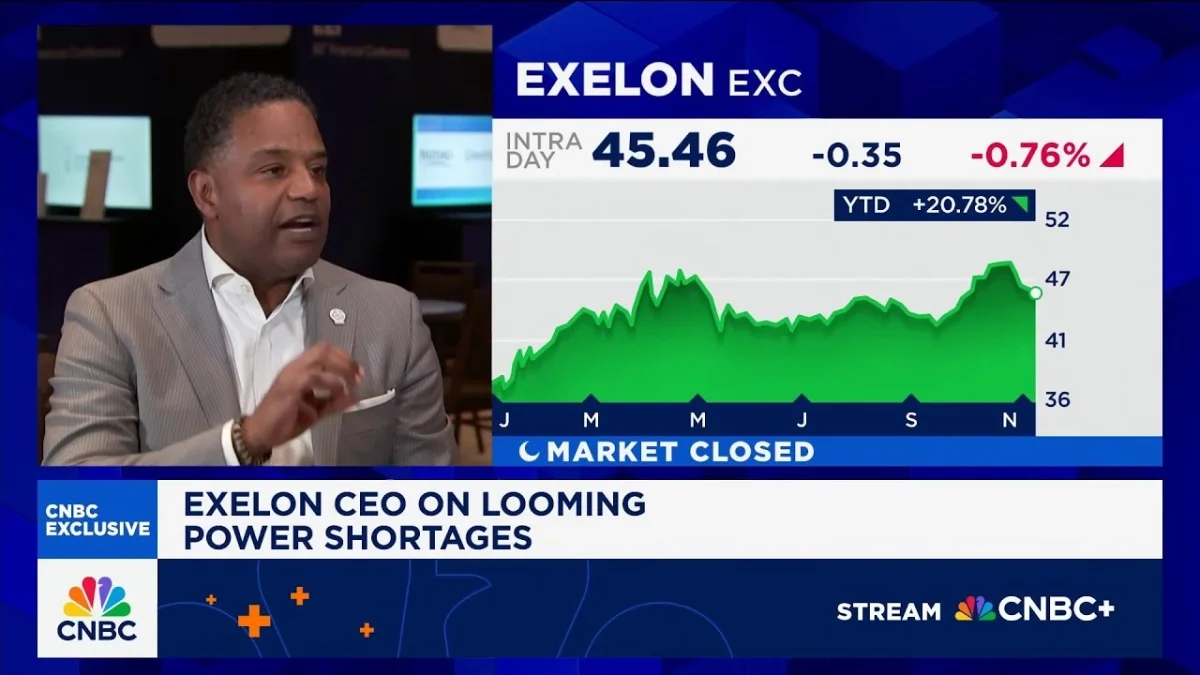
AI’s Energy Hunger Threatens Grid Stability
Butler observed, “Where you see the utilities not owning generation, supply is not showing up to meet that demand, and who’s filling it most? Our customers, because of affordability issues.” This structural disconnect means that while demand skyrockets, independent power producers are not incentivized to build new generation at the pace required, leading to critical supply gaps and driving up prices for end-users already grappling with inflationary pressures.
…
Butler’s proposed solution is a return to basics for utilities in deregulated markets: allowing them to once again own generation. This shift would grant states greater control over their energy supply, providing “control, cost certainty, and clarity on what’s going to be done, where, and when.” While he wouldn’t advocate for new nuclear plants, he emphasized the potential of combined cycle gas turbines, community solar, and battery storage as viable generation options that utilities could invest in to bolster supply. Such investments, under state oversight, could ensure that new capacity is brought online strategically to meet the surging demand.
-
Exelon CEO: Meeting Today’s Energy Demands—Without Sacrificing Climate Goals or Customer Affordability | Opinion
But without more energy sources, we still won't be able to address the central supply challenge that is driving up prices. Without more energy, costs will remain high and increase as demand surges. Current state laws prevent utilities like ours from creating the energy our customers need. Regulated generation is a solution allowing Exelon and other utilities to produce the energy our markets demand, with regulators ensuring we follow best practices and advance a state's goals.
Through regulated generation, we can deliver cost relief and predictability to customers by building a flexible, reliable energy supply and storage ecosystem. Today's systems aren't ready for the challenges we face, and regulated generation is a critical step toward a stronger energy network.
-
Exelon to intensify push to own Mid-Atlantic power plants, CEO says
Butler said regulated utilities can often build power supplies with a lower impact on bills. They have lower borrowing costs and cost of capital and a speedier permitting process because utilities like Exelon already own substantial land and easements to develop new power generation, he said.
-
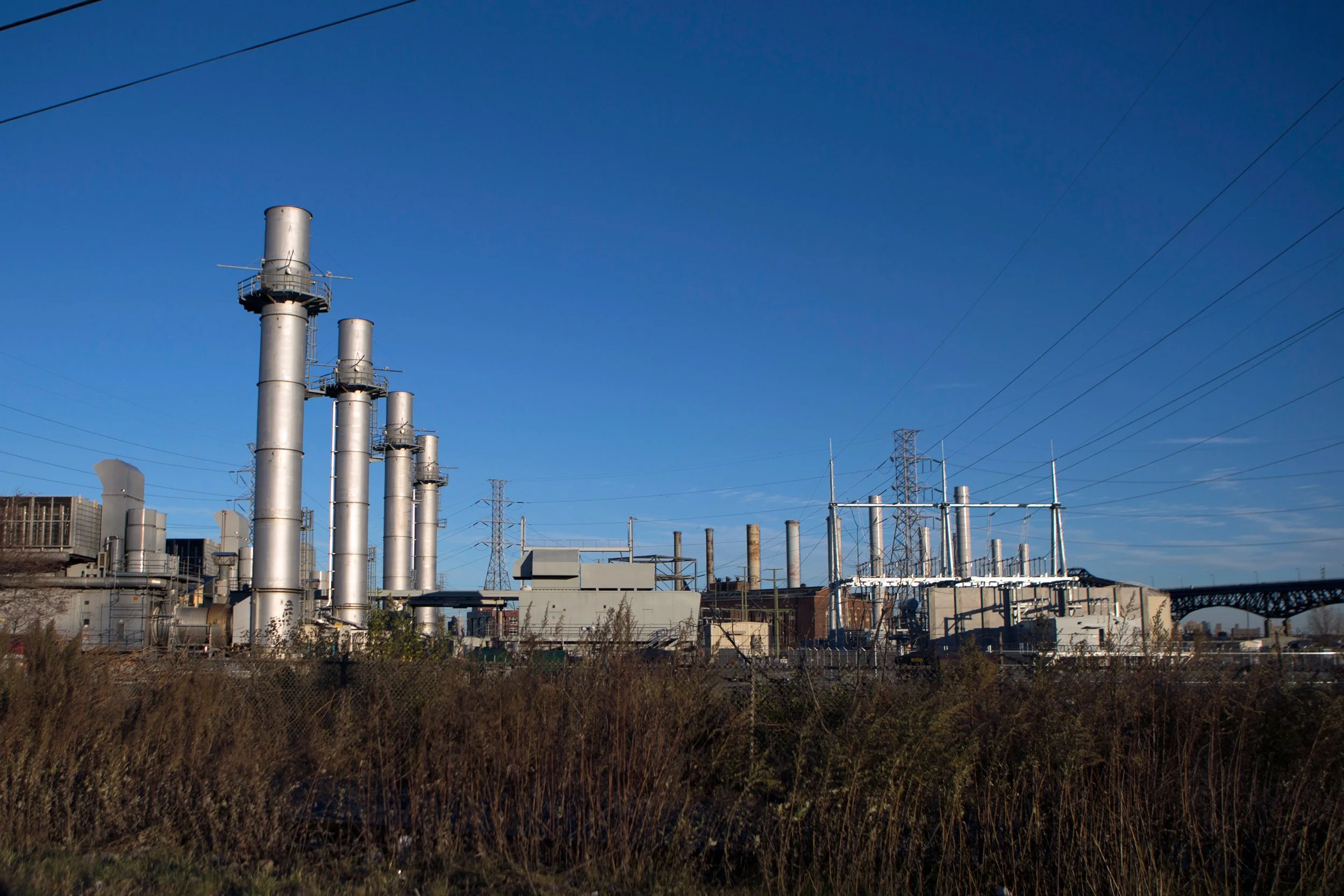
Utilities Want to Regain the Ability to Build Power Plants in PJM. Consumer Advocates Say That’s Probably a Bad Idea
“Despite higher prices, we are not seeing the market respond fast enough,” said Calvin Butler, CEO of Exelon, in a July 31 conference call. His company owns utilities across PJM, including ComEd in Illinois, PECO in Pennsylvania, BGE in Maryland and Atlantic City Electric in New Jersey.
“States have an opportunity to proactively bring control, certainty and cost benefits by pursuing options outside of the capacity market, including regulated generation,” he said.
-
Exelon says potential data center demand is more than 30 gigawatts
Chicago-based Exelon is considering its options for building and owning power generation, which electric utilities are legally barred from in many U.S. states. In those states, regulated utilities own power lines, while independent power producers own and operate power plants to diversify market power, which can help prevent anti-competitive behavior.
There are currently proposals in states, including Pennsylvania and New Jersey, to allow regulated utilities to develop and own power plants.
"We want to be part of the solution," Exelon CEO Calvin Butler said on an earnings call with investors. "The supply is not meeting the demand."
-

As power bills surge, Exelon and Constellation spend big for influence in Annapolis
Senate President Bill Ferguson, who sponsored legislation last session to boost in-state power generation, called Constellation’s gas proposals “a step in the right direction.”
To BGE CEO Tamla Olivier, it’s not enough.
Olivier said in an interview that Constellation’s proposal falls well short of Maryland’s needs. She warned of blackouts for Baltimore-area customers as early as 2027 due to increased demand here and in neighboring states including Pennsylvania, which supplies energy to Maryland.
-

Opinion – Addressing Pennsylvania's looming energy crisis: Put the power back in Pennsylvania
For nearly three decades, our state’s electricity generation market has been reliant on competitive generators to meet demand and respond to market forces determining where and when new generation will come online. Yet, as we see today, those market forces are failing to deliver.
While the market was designed to lower costs for customers by encouraging competition, the system is no longer working as intended. This is evidenced by the skyrocketing power supply prices driven by increasing capacity market clearing prices — up more than eight-fold from $28.92 per megawatt-day in 2024 to $269.92 per megawatt-day in 2025 — and recently highlighted in a complaint filed by Gov. Josh Shapiro1. This increase represents about a $15 per month increase to the supply portion of the bill for an average residential customer in PPL Electric’s service territory.
-
COMMENTARY: A looming energy crisis | Put the power back in Pa.
One way to do this is to allow regulated electric utilities to invest in generation resources, up to and including owning and operating generation resources again. This would complement the competitive market by addressing resource adequacy gaps, rather than relying solely on market forces to deliver a solution.
-
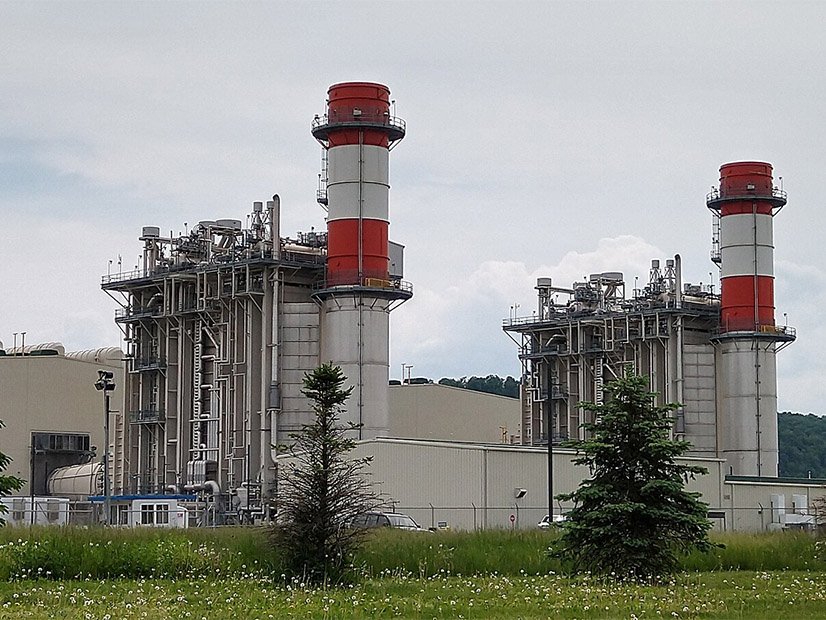
Utilities Pushing for Return to Owning Generation in Pennsylvania
“In Pennsylvania, specifically, we continue to advocate for a state-focused, no-regrets strategy that addresses impending energy shortfalls and provides the state with additional tools to help protect customers from price volatility and reliability concerns,” PPL CEO Vincent Sorgi said during the company’s year-end earnings call with analysts Feb. 13. “We believe one way to do this is to allow regulated electric utilities to invest in generation resources up to and including owning and operating generation again. This would complement the competitive market by addressing resource adequacy gaps, rather than relying solely on market forces to deliver a solution.”
-
EEI Statement on President Trump–Governor Proposal to Protect Customers and Ensure Data Centers Pay Their Fair Share
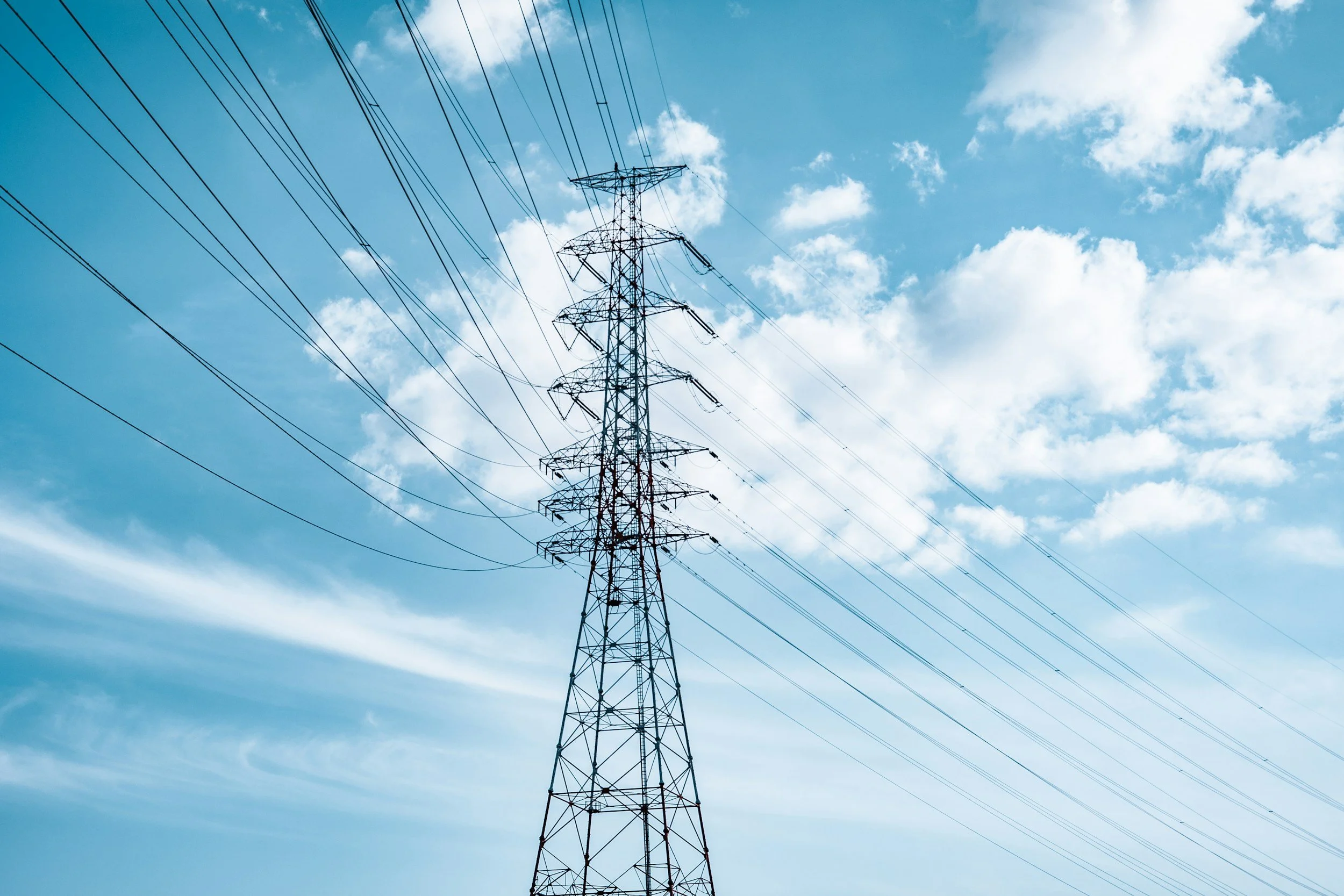
"PJM’s capacity market has not risen to this resource adequacy challenge. Despite a clear need for new generation to meet growing demand—and recent sky-high clearing prices—supply offered into PJM’s most recent capacity auction declined compared to the previous auction and prices for much of the region increased significantly...
Accountability is lacking because there is no single entity or stakeholder held responsible for generation planning and resource adequacy outcomes...
To date, narrowly focusing on design changes to PJM markets has left customers exposed to reliability risks and cost uncertainty..."
-
PSEG open to utility-owned generation to tackle supply needs: CEO LaRossa
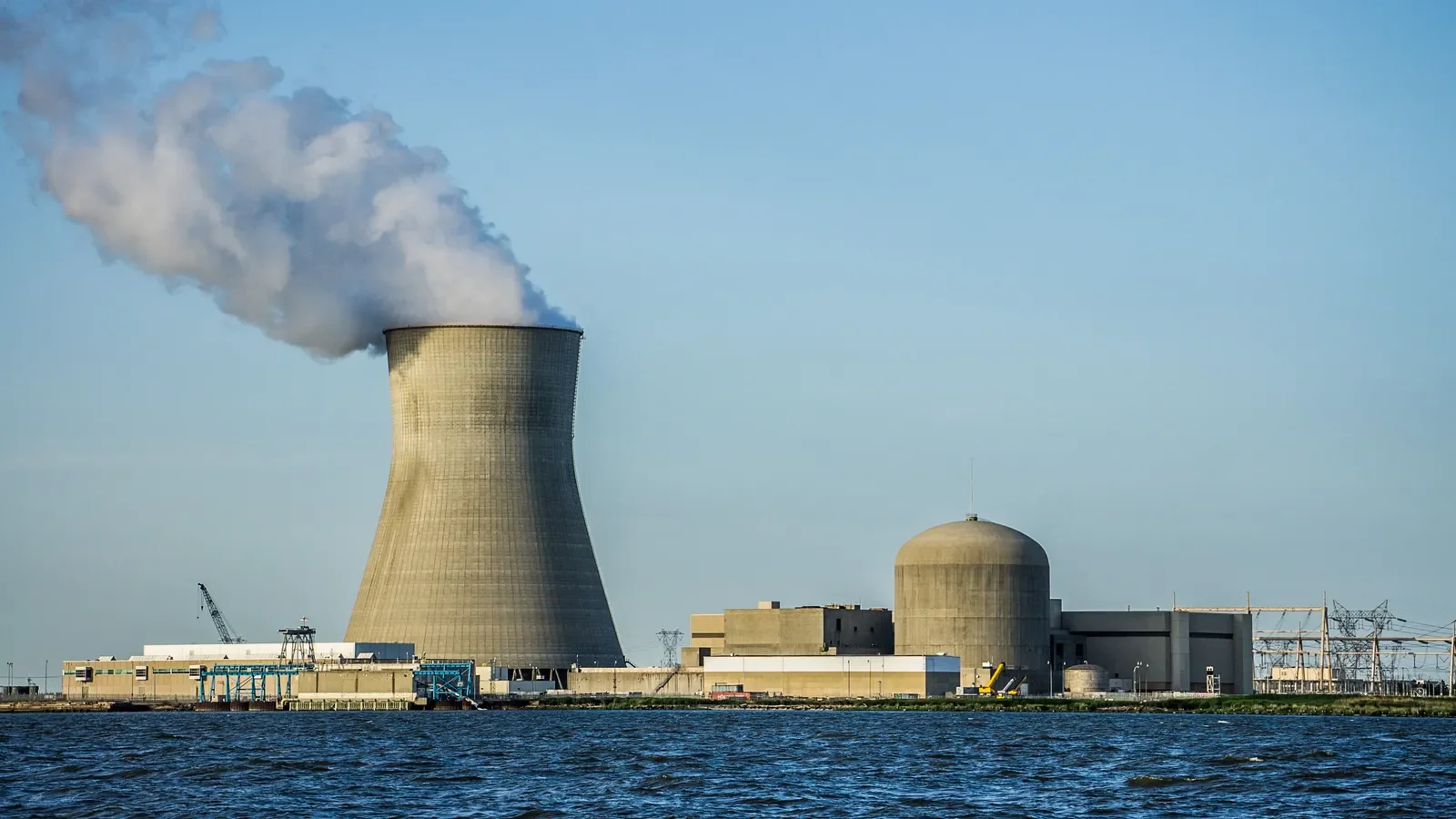
In the long term, more power supplies are needed, LaRossa said. “We’d be more than willing to do it in rate base … or it could show up by new wires being built and bringing in generation from another location,” he said. “What I hear from policymakers in the state is that they would like to have more control over their destiny, and that would lead me to believe that we would want to have more generation in the state.”
-
PSEG could offer lower rates to New Jersey’s incoming governor: equity analysts
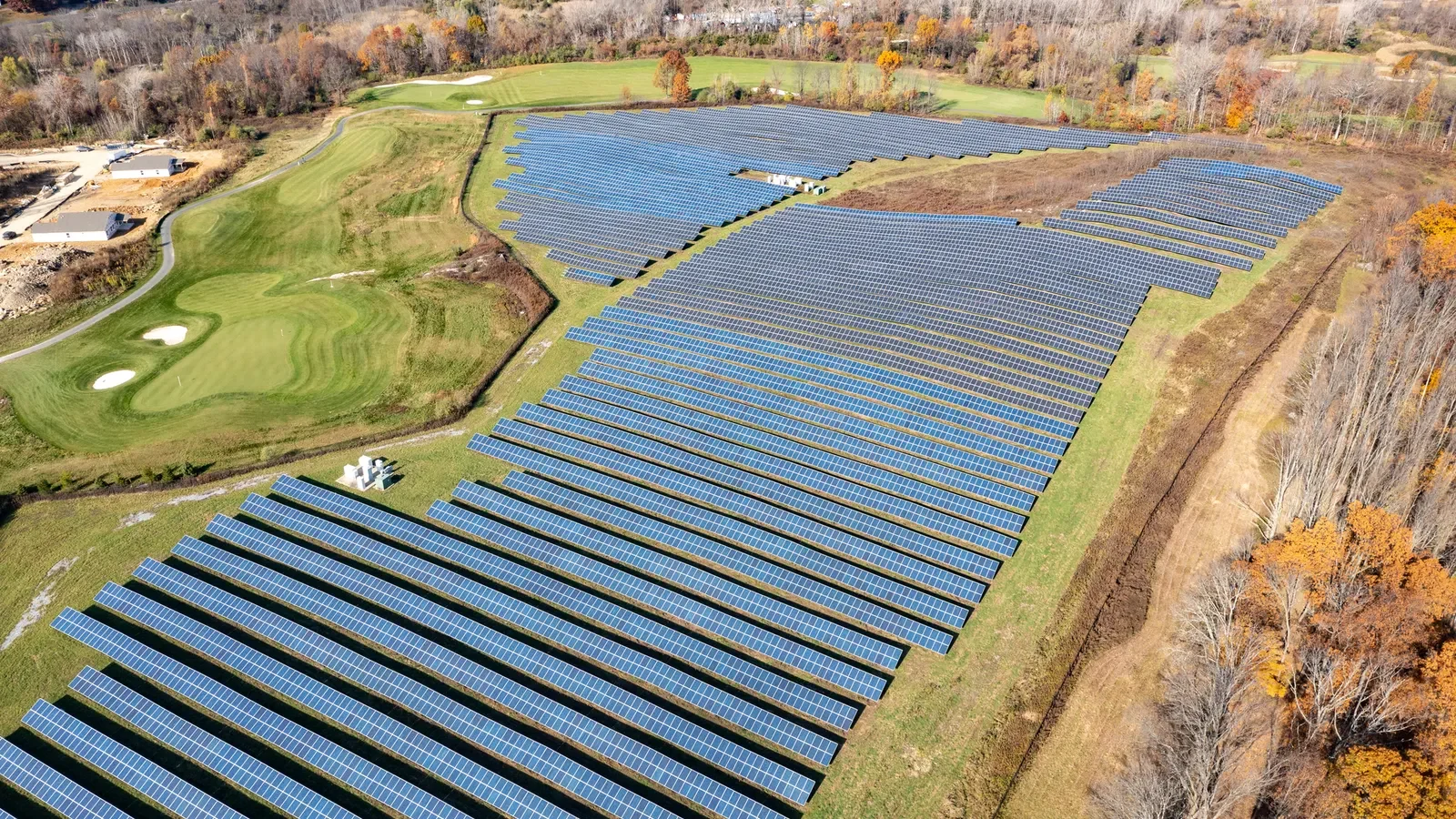
There is a “broad recognition” in New Jersey that the state, which imports 40% of its electricity, needs to add more generation, LaRossa said. Companion bills have been introduced in the New Jersey Legislature — S4306 and A5439 — that would allow utilities to own power plants, he noted.
“We are supportive of legislation that would increase competition for generation supply should New Jersey decide to pursue new in-state generation,” LaRossa said.
-
Reregulation? How utilities and states are responding to PJM’s record capacity prices
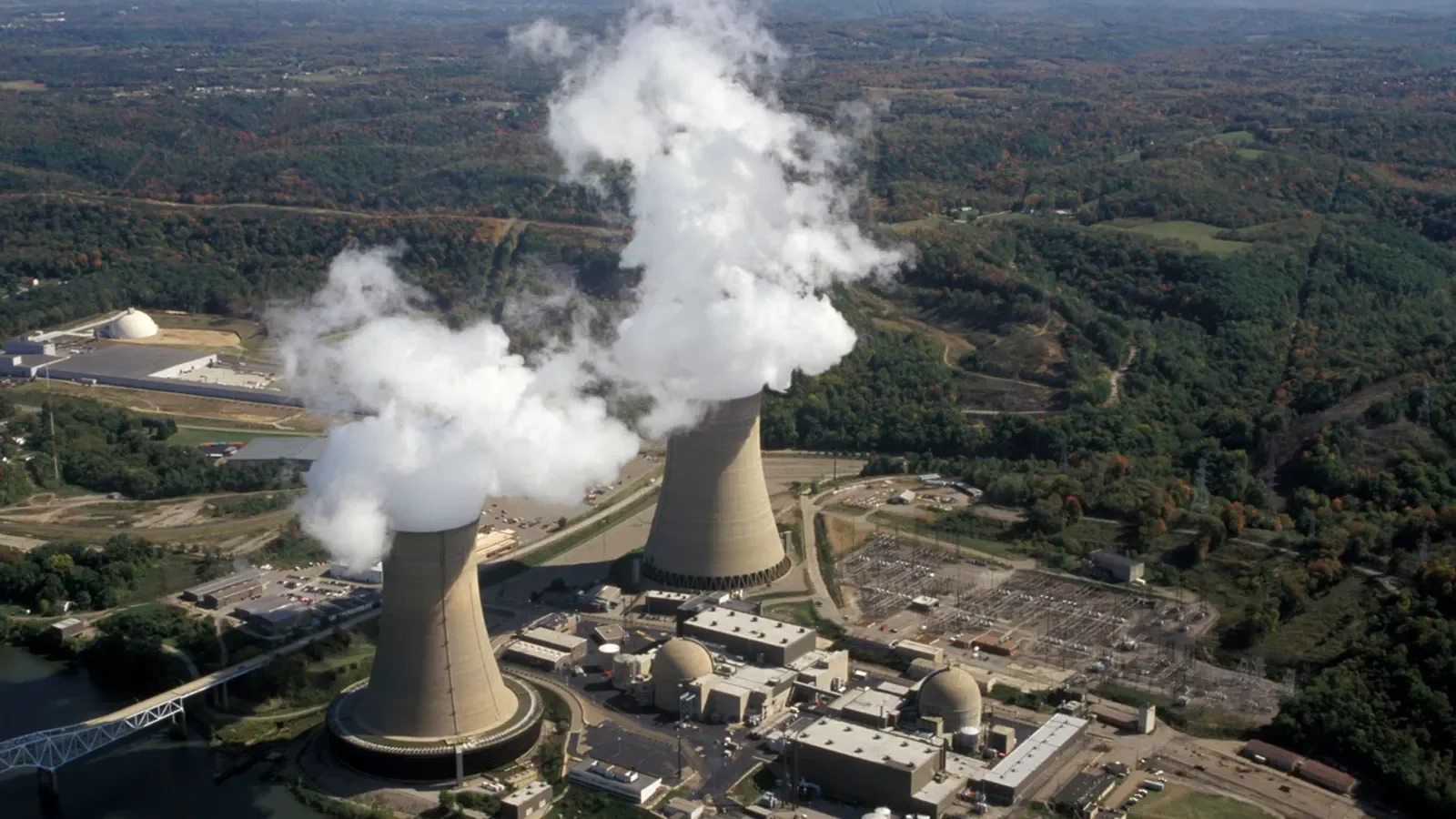
In financial earnings conference calls after the auction results were released executives from Exelon, FirstEnergy and PPL said their utilities — which generally no longer own power plants — could help get new generation online to ensure PJM has adequate power supplies.
“I’d call yesterday’s [PJM auction results] the canary in the coal mine, and the canary didn’t make it,” Brian Tierney, FirstEnergy president and CEO, said on July 31.
Tierney doubts PJM’s capacity market will attract significant power plant investment into the region. “So it’s something we need to figure out,” he said. “I just don’t think the PJM construct is going to fix the issue even if it sends some positive price signals.”
Earlier this year, officials from Exelon, FirstEnergy, PPL and Duquesne Light sought a meeting with state utility regulators to argue that their companies could have a role helping ensure PJM has enough power supplies, according to Kent Chandler, a resident senior fellow at the R Street Institute.
-
PPL, Exelon back Trump-governors’ push to address PJM power crunch
Butler said the company also plans to continue working with the Federal Energy Regulatory Commission, PJM, and states “on how best to bring new generation online — through emergency backstop procurement or otherwise — and to ensure that our customers are protected from paying for data center energy supply costs.”
At the same time, Butler warned of the consequences of failing to act.
“Unless we solve this energy supply crisis, our customers will continue facing high supply costs and increasing reliability risk,” he said. “It is not acceptable for Americans to face the threat of blackouts in the 21st Century because energy supply is not being built to keep up with demand.”