

PJM Capacity Auction Explained: Why Prices Keep Rising
PJM capacity auction prices keep hitting record highs. Learn how the PJM capacity market works, what drives costs, and what it means for your bill.
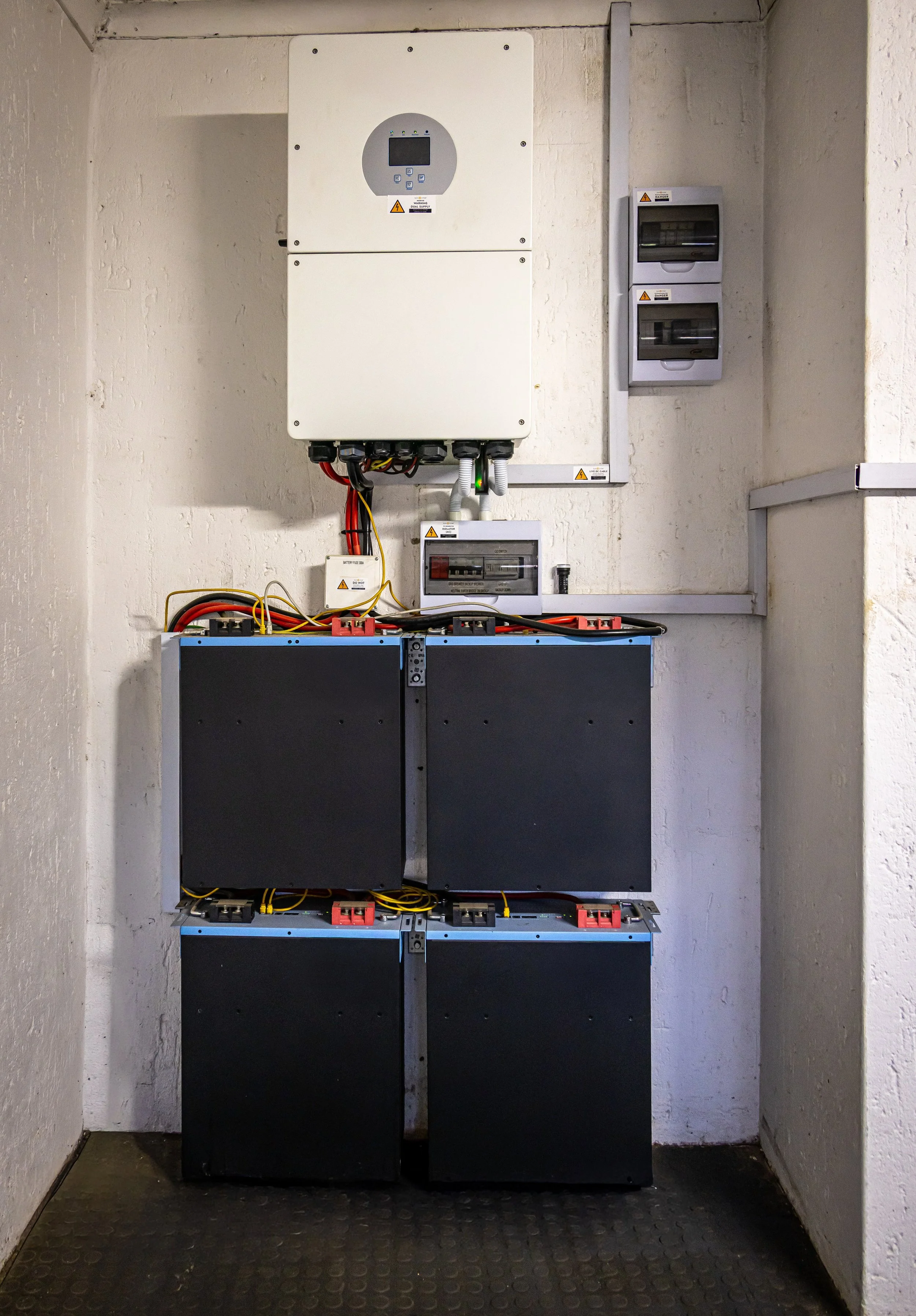
Grid Forming Inverters: The Key to a Stable Grid
Grid forming inverters help keep the grid stable as renewables grow. Learn how they work, why they matter, and what policy can do to support reliability.

Capacity Auction Cap in PJM: Why It Matters to You
Learn what a capacity auction cap is, why PJM keeps hitting it, and what the capacity market price cap means for reliability, competition, and bills.

Extreme Weather Hardening: What It Is and Who Pays
Extreme weather hardening is reshaping the power grid and bills. Learn what it includes, grid hardening costs, and who pays for grid resilience.

Reliability and Decarbonization: Can Markets Do Both?
Can power markets support reliability and decarbonization at once? Learn market design decarbonization reforms for a reliable low carbon grid.

Clean Energy for Data Center Load Without Higher Bills
Can clean energy for data center load grow with AI without higher bills? Learn how BYO energy, fair tariffs, and competition protect ratepayers.
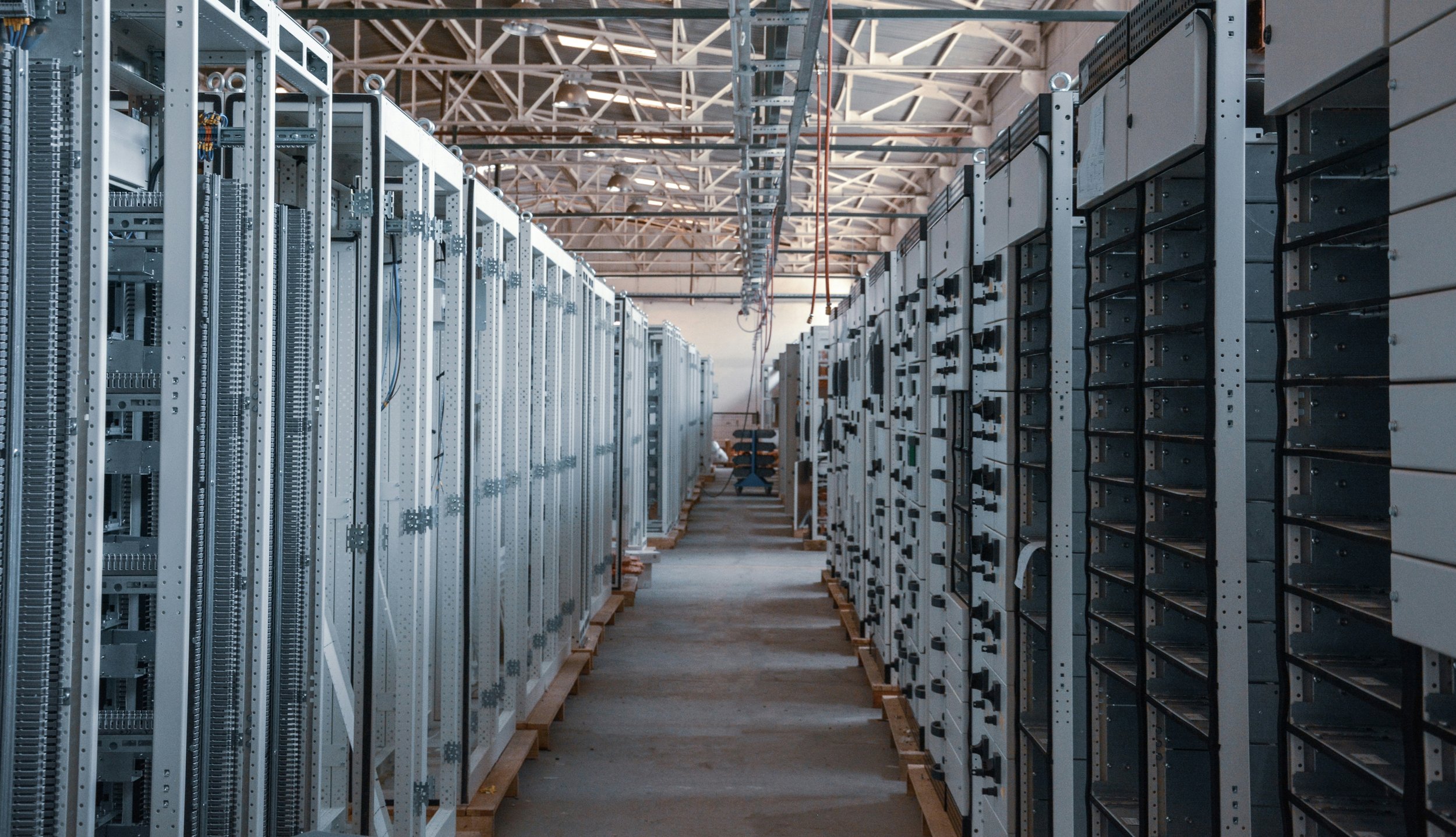
Data Center Electricity Demand Is Rewriting the Grid
Data center electricity demand is surging as AI expands. Learn what it means for grid upgrades, data centers and electric bills, and fair market rules.

PJM vs ERCOT vs MISO vs NYISO: Power Market Guide
PJM vs ERCOT vs MISO vs NYISO explained: compare U.S. power markets by design, oversight, pricing, and storage readiness affecting reliability and costs.
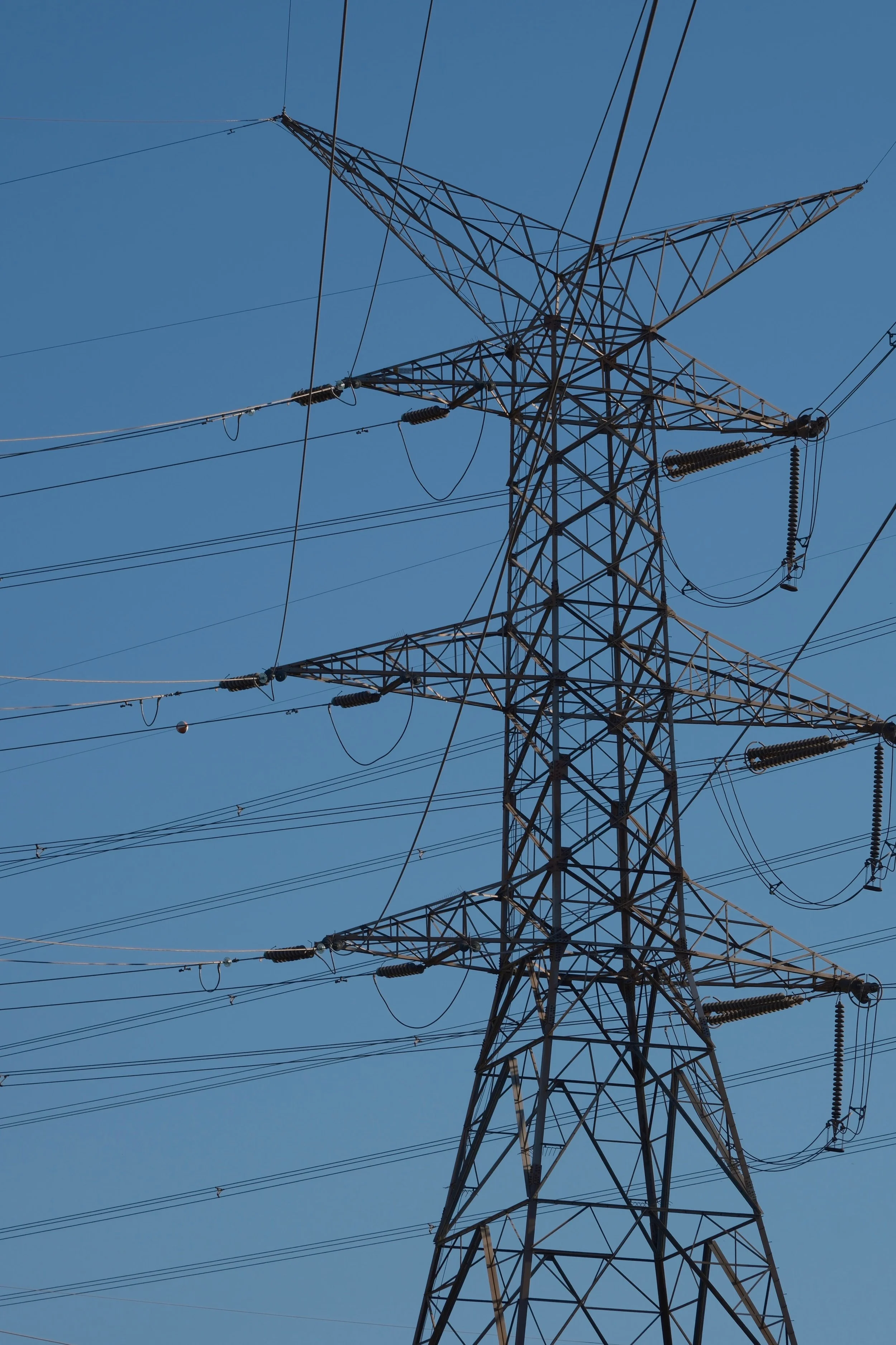
Capacity Credit for Solar Wind Storage: ELCC Guide
Learn capacity credit for solar wind storage, how ELCC explained turns renewables into reliable capacity, and why storage capacity credit matters for planning.

What Is Long-Duration Energy Storage and Why It Matters
What is long-duration energy storage? Learn how LDES explained supports multi-day reliability, complements lithium-ion, and keeps power markets competitive.

Capacity Market vs Energy Market: Key Differences
Capacity market vs energy market shapes prices and reliability. Learn how the wholesale electricity market works, what you pay for, and what it means for bills.

Firm Clean Power: The Key to Reliable Carbon-Free Grids
Firm clean power keeps electricity reliable when wind and solar fall short. Learn how dispatchable clean energy supports 24/7 carbon-free power and grids.

How Community Batteries Can Boost Local Reliability
Learn how community batteries and local battery storage improve local grid reliability, cut peak strain, and support microgrids with smarter planning and safety.

Behind-the-Meter Batteries for Small Businesses: Control
Behind-the-meter batteries for small businesses cut demand charges, add reliable backup, and shift usage off-peak. Learn savings, sizing, and market impact.

Data Center Co-Location Explained: Who Pays for Grid?
Data center co-location explained: learn what co-located load FERC requires in PJM, why AI power plant co-location matters, and who pays for co-located load.

AI Load Growth PJM: How It’s Reshaping Power Planning
AI load growth PJM is reshaping power planning as data centers surge. Learn what’s driving demand, why prices are rising, and what PJM is changing now.
Independent Power Producers Explained: Reliable Grids and Competitive Power
Independent power producers explained: how IPPs and grid reliability work together to cut costs, add flexibility, and improve resilience through competitive generators.

Interconnection Queues Explained: Reliability and Prices
Interconnection queues explained: how generator interconnection delays raise prices and reliability risks, and why grid interconnection reform can help consumers.

FERC Order 1920 Explained: A New Era for Grid Planning
FERC Order 1920 explained: the new transmission planning rule requires 20-year regional scenarios and fair cost sharing. Learn what changes and why it matters.

Who Pays for Transmission Lines? A Consumer Guide
Who pays for transmission lines? Learn how transmission cost allocation works, what FERC transmission planning rules require, and how new line costs hit bills.